
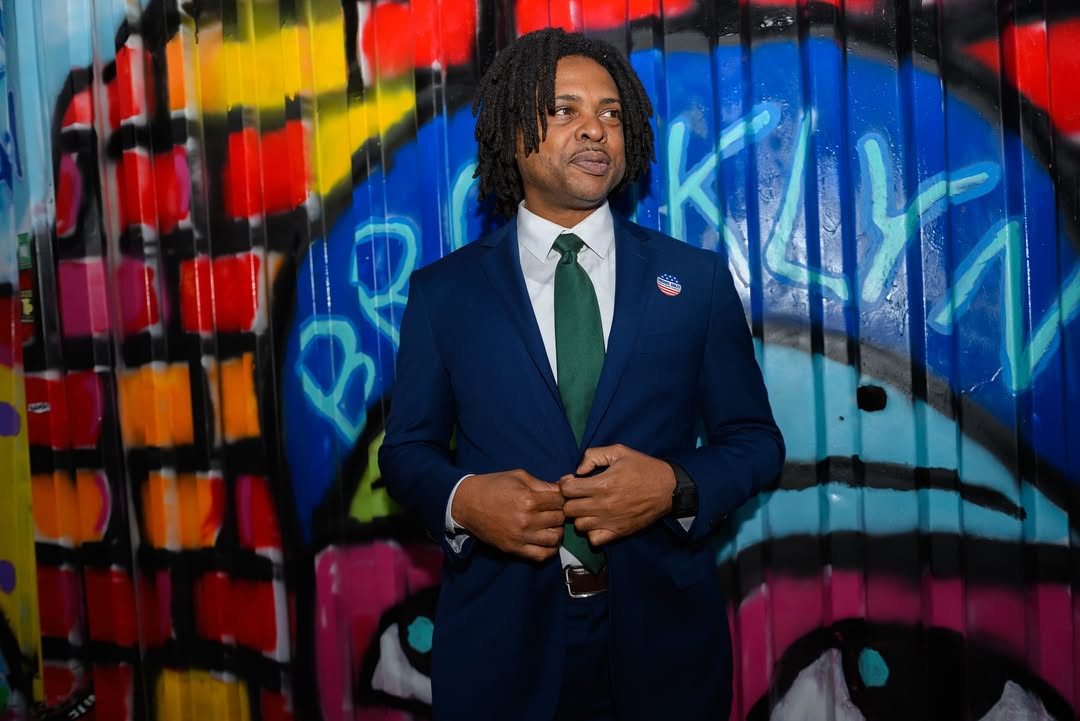
Michael Bailey pitches Central Brooklyn small business protection plan
Democratic Assembly candidate Michael Bailey has rolled out a Neighborhood Business Preservation Plan after a May 30 candidates’ debate at Magnolia Tree Earth Center in Bedford-Stuyvesant. The proposal is intended to help established businesses cope with higher expenses, find public-sector support and continue operating in Central Brooklyn.
In an interview with Caribbean Life on Wednesday, June 3, Bailey said the effort is aimed at keeping Black, Caribbean and immigrant-owned enterprises in the neighbourhoods they have long served.
The Saturday forum brought together candidates running in two Brooklyn races with overlapping territory. Bailey faced incumbent Assemblymember Stefani Zinerman and Eon Huntley in the Democratic primary for Assembly District 56, which includes Bedford-Stuyvesant and parts of Crown Heights. In the State Senate District 25 contest, State Senator Jabari Brisport debated Democratic challenger Marlon Rice.
Bailey, who grew up in Bed-Stuy and works as a real estate attorney after previously owning a construction company, said Central Brooklyn’s future cannot be secured by dealing with housing affordability alone. He argued that small businesses also need protection because many have served as commercial pillars and community meeting places for Black, Caribbean and wider immigrant communities.
“Residents see the displacement happening in real time,” Bailey said. “A longtime business closes, a storefront sits vacant, another family leaves the neighborhood.
“If we want to preserve the character of Black Brooklyn, we have to preserve the local businesses, economic opportunities and community institutions that make these neighborhoods worth staying in,” he added.
The plan was released as Bailey prepares for the June 23 Democratic primary, where he is challenging Zinerman. Huntley, who is aligned with the DSA and ran against Zinerman in 2024, is again contesting the seat.
The campaign is taking place as anxiety grows over what lies ahead for historically Black communities in Central Brooklyn. Bailey said longtime residents and local firms are being squeezed by rising housing prices, deed theft, joblessness and the displacement of commercial tenants.
He said Bed-Stuy’s Black population moved from about 75 percent in 2000 to roughly 40 percent in 2023. Bailey also said Caribbean and immigrant families and business owners who have supported the area’s shopping corridors are now facing many of the same pressures.
“Too often, support exists on paper, but small business owners do not have the time, staffing, or connections to navigate complicated government programs,” he said. “Government should be helping neighborhood businesses access opportunities, not burying them in bureaucracy.”
Bailey said his experience advising Minority- and Women-Owned Business Enterprises has shown him how hard it can be for business owners to locate and use the resources available to them. His proposal is built around three parts: a Central Brooklyn Small Business Navigator Initiative, a Commercial Vacancy Reduction Initiative and a Neighborhood Business Preservation Initiative.
Through the Small Business Navigator Initiative, Bailey wants a dedicated programme to link neighbourhood businesses with existing city and state help. That would include MWBE certification, grants, financing options, procurement chances and technical support. He said the focus would be on helping entrepreneurs get through systems that can be difficult without expert advice or staff assigned to the task.
Under the Commercial Vacancy Reduction Initiative, Bailey is proposing a review of storefronts that have remained empty for long periods, along with fresh incentives to return those spaces to active use. He said locally owned businesses, first-time entrepreneurs and firms with deep community connections would be prioritised.
“Every vacant storefront represents lost economic activity, lost jobs, and lost opportunity,” Bailey said. “We need policies that encourage investment while giving local entrepreneurs a fair opportunity to grow.”
The Neighborhood Business Preservation Initiative would provide focused assistance to older businesses threatened by displacement, rising operating expenses and shifts in neighbourhood conditions.
“When a neighborhood loses a business that has served residents for 20 or 30 years, we lose more than a store,” Bailey said. “We lose jobs, relationships, local knowledge, and a piece of the neighborhood’s identity.”
Bailey said the proposal builds on what he told voters during Saturday’s debate and demonstrates his focus on delivering “results, rather than rhetoric.”
“Regardless of politics, communities need affordable food options, safe commercial corridors, and policies that help neighborhood businesses survive,” Bailey said. “Politics should be about solving problems people can see on their own block.”
The business plan sits alongside Bailey’s wider campaign platform, which centres on housing affordability, preventing deed theft, protecting homeowners and expanding economic opportunity.
Syndicated from Caribbean Life · originally published .
Legal context · powered by Jurifi
Get the legal angle on this story. Pick a prompt and Jurifi's AI will explain it using Jamaican law.
AI replies are based on Jamaican law via Jurifi. Not legal advice.
Other coverage

Young Entrepreneurs Association Supporting Local MSMEs - JIS Studio 58A
Jamaica Information Service (Video)Watch
Antigua and Barbuda willing to accept 10 U.S.-transferred migrants annually, PM says
Cnweekly
300 more container homes to arrive today
Jamaica Observer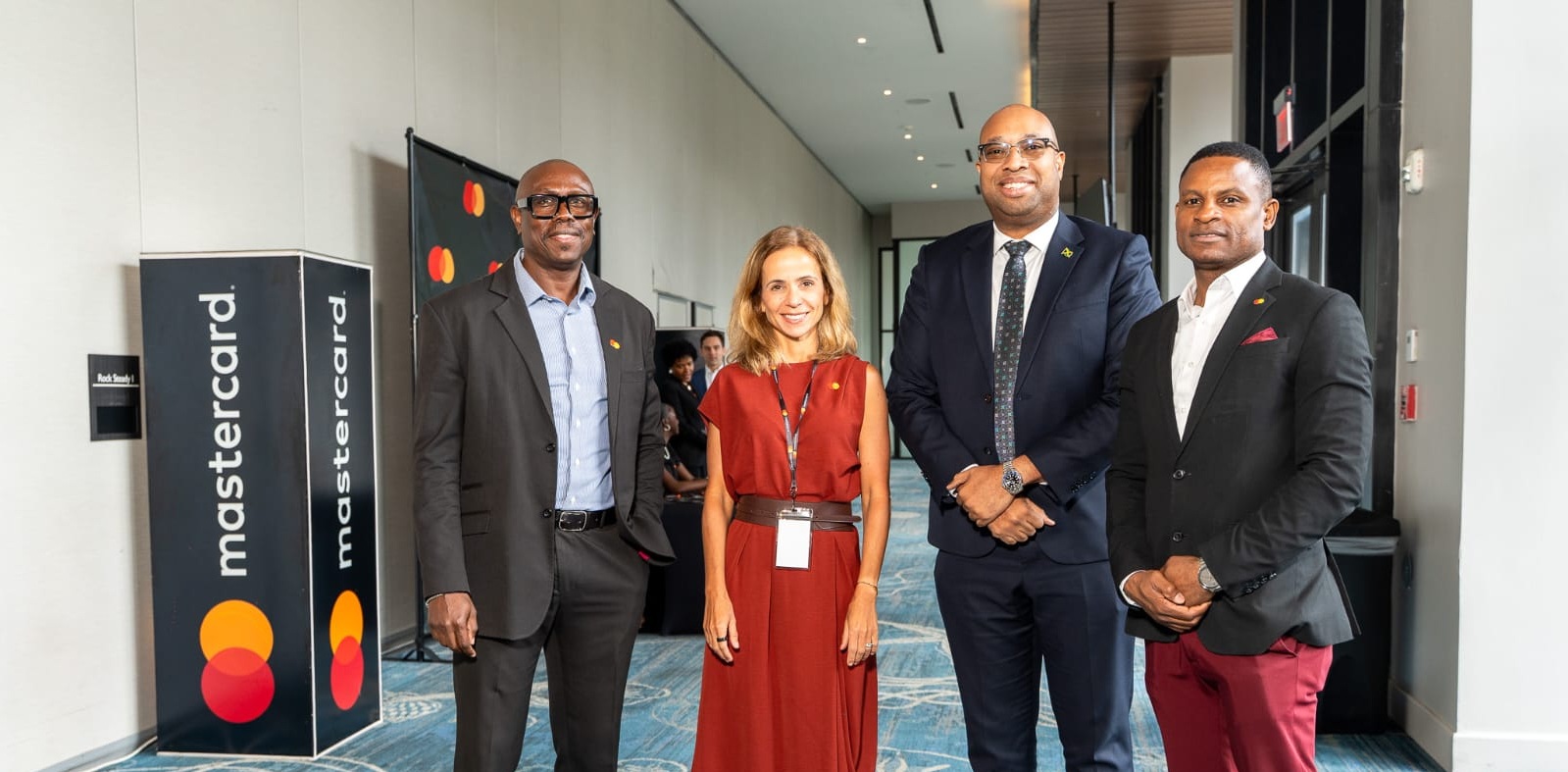
Seiveright, Mastercard push greater digital payment adoption for small businesses growth
Our Today
Senator Hill Welcomes Young Entrepreneurship Day
Jamaica Information Service