
Douglas Martin Levermore | The Creator Economy: Why the World’s Biggest Stars No Longer Need Hollywood
There was a time when becoming famous required permission.
A hopeful singer needed a record label. A comedian needed a television producer. An actor needed a casting director. If none of those gatekeepers opened the door, talent often remained hidden, no matter how remarkable.
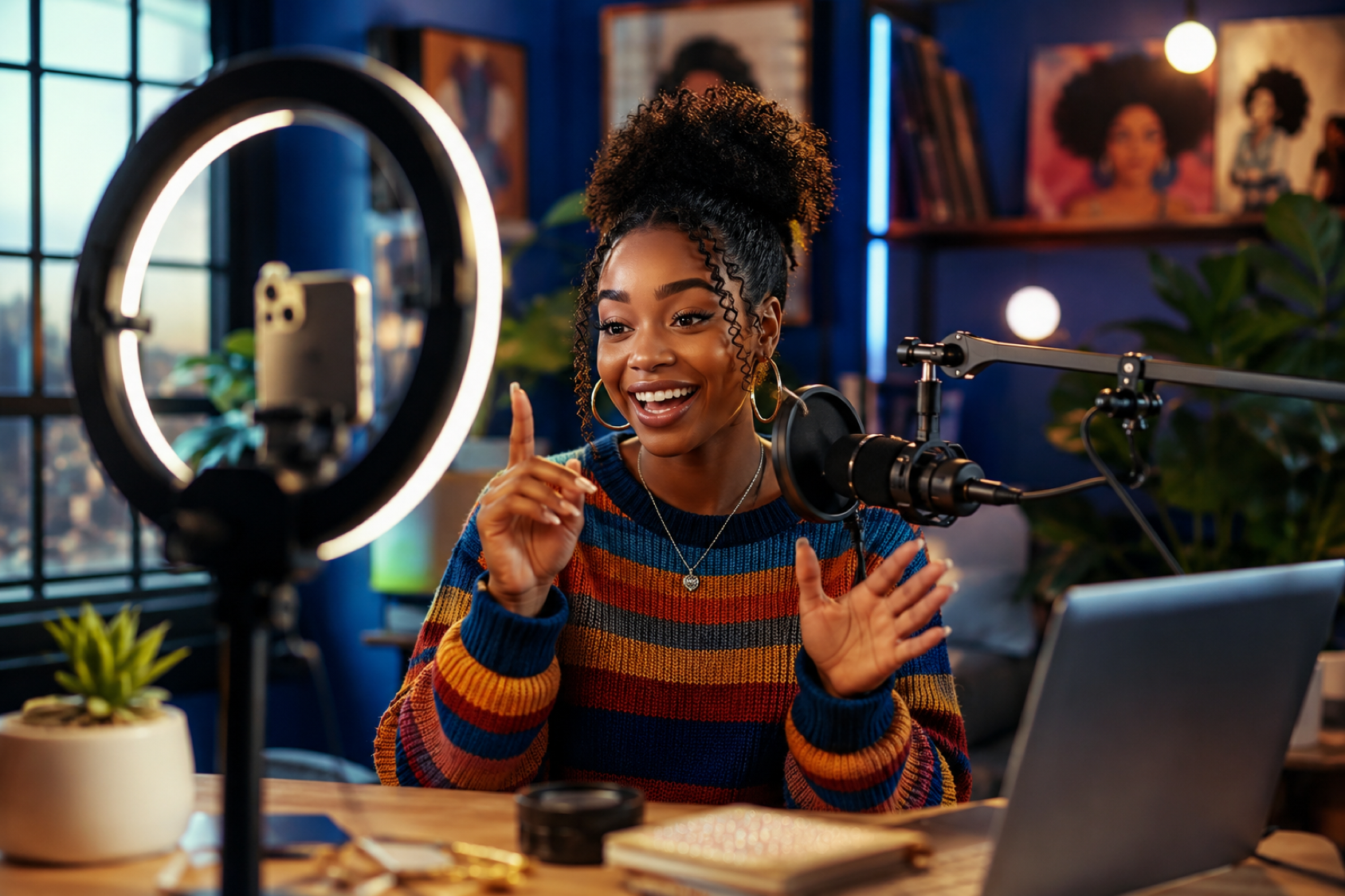
Today, all that is needed is a smartphone, an internet connection, and an idea strong enough to stop someone from scrolling. The digital economy has rewritten one of society’s oldest rules: fame is no longer bestowed by powerful institutions; increasingly, it is built one post, one video, and one follower at a time.
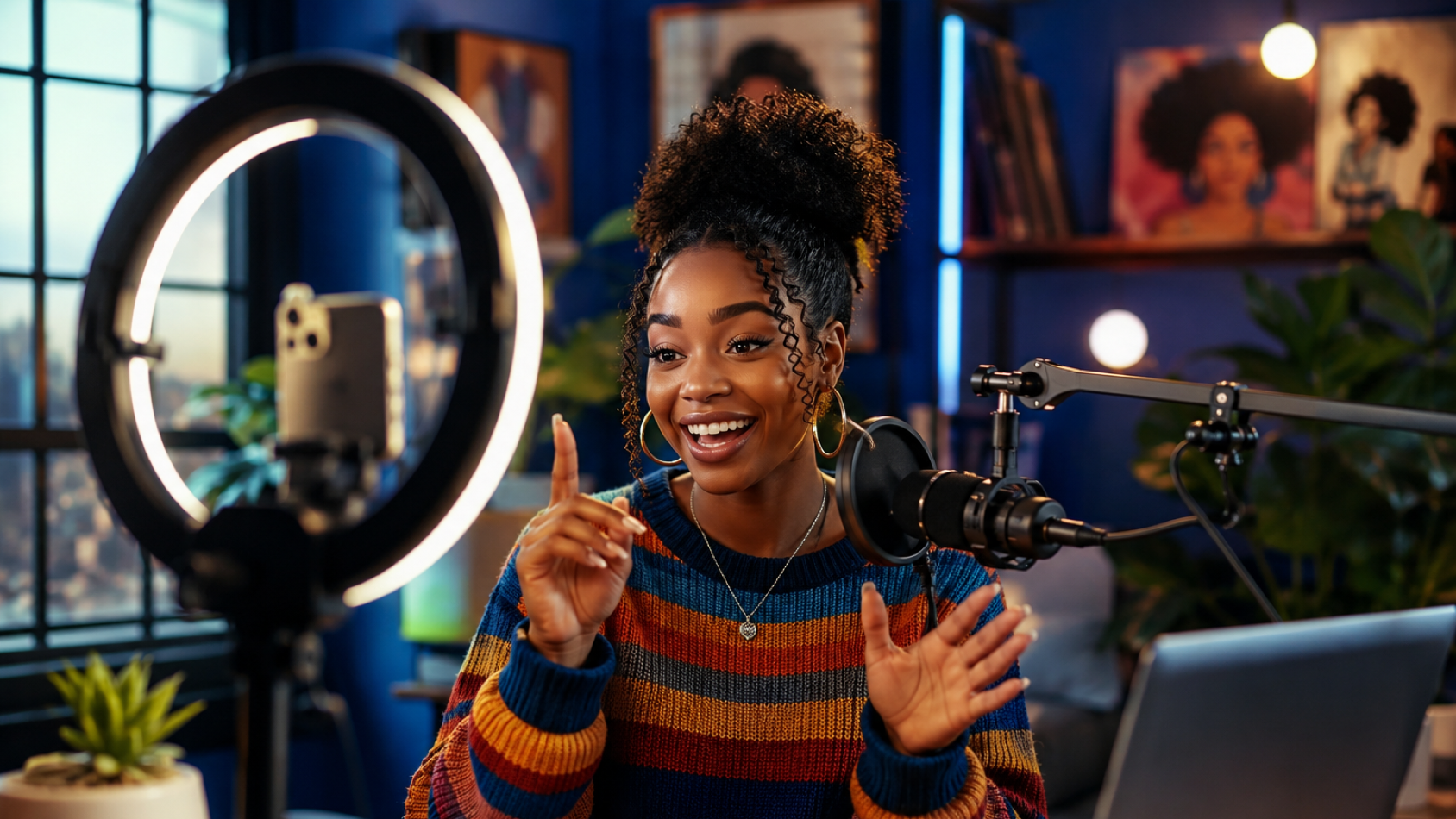
What has emerged over the past decade is not merely a new form of entertainment but an entirely new economy. Goldman Sachs estimates that the global creator economy, already worth approximately US$250 billion, could nearly double to US$480 billion by 2027. Behind those numbers lies a profound shift in how people earn a living, build businesses, and influence public opinion. The world’s newest entrepreneurs are now as likely to carry a ring light as a briefcase.
Consider comedian Druski. What began as short, humorous sketches on Instagram has become a multimedia enterprise spanning national advertising campaigns, streaming platforms, sold-out live performances, and collaborations with major names in entertainment. In 2026, he reached another milestone by becoming the youngest person ever to host the BET Awards, a role once reserved for established Hollywood comedians and television personalities. Forbes estimates his annual creator earnings at approximately US$20 million, placing him among the world’s highest-paid digital personalities.
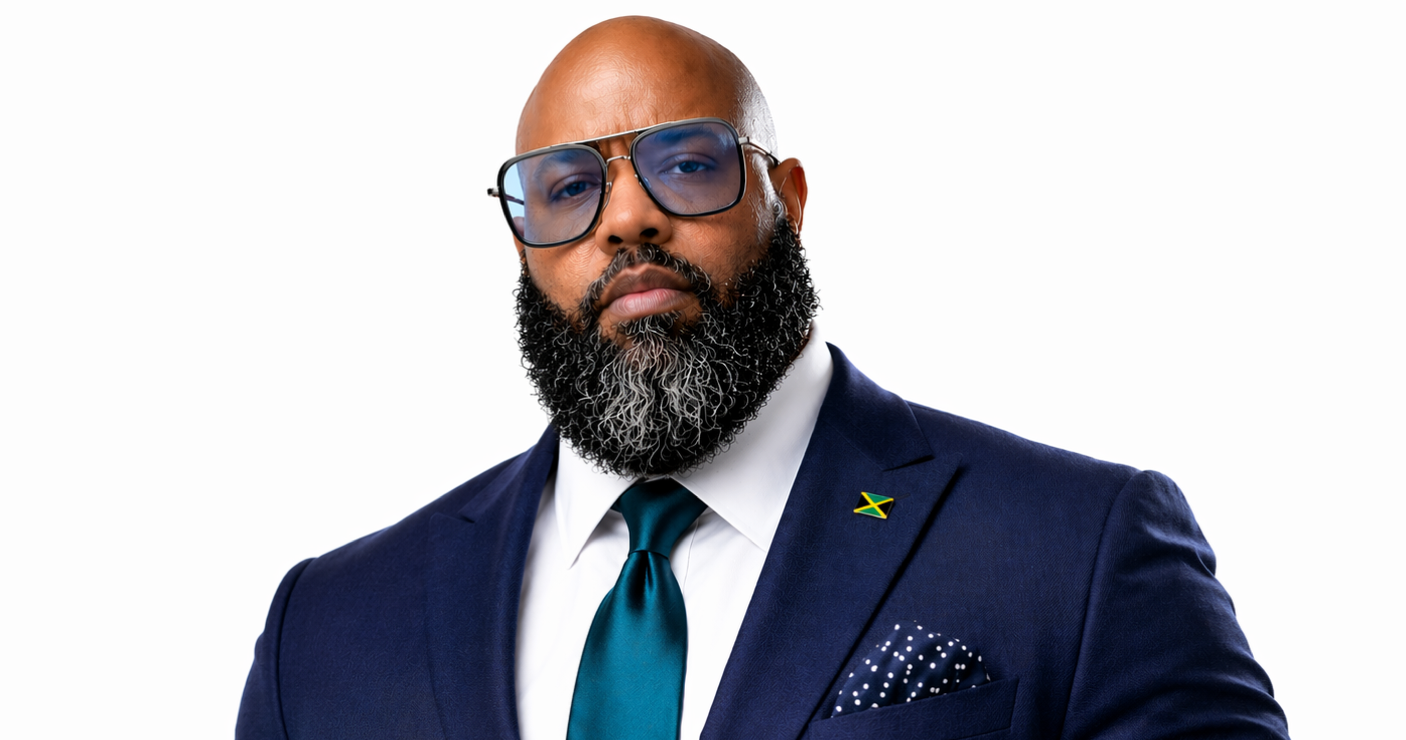
Bigg Jah has followed a similar path, building a devoted global audience through relatable comedy without depending on traditional television networks to validate his talent. At the summit of the creator economy stands MrBeast (Jimmy Donaldson), whose spectacular YouTube productions, Amazon series, and consumer brands have transformed him from an online entertainer into one of the world’s most successful entrepreneurs. Forbes estimates his annual earnings at US$85 million, while his business empire now stretches beyond content creation into food products, entertainment, and technology. Twenty years ago, careers of this scale would almost certainly have required Hollywood studios, television executives, or major production companies to open the door. Today, they can begin in a bedroom with nothing more than a smartphone, creativity, and the courage to press “upload.”
The same reinvention can be seen among established celebrities. Jason Derulo was already a successful recording artist before discovering that TikTok offered what radio could not: daily interaction with fans. Rather than treating social media as a marketing tool, he made it part of his entertainment business. Kylie Jenner transformed an enormous online following into one of the world’s most successful beauty brands, proving that influence itself can become a commercial asset. In today’s marketplace, followers are not merely admirers; they are potential customers, investors, and ambassadors.
The digital creator economy is not confined to comedy and music. It has created a new class of influential voices whose reach often rivals, and sometimes surpasses, traditional television networks. Political commentators such as the late Charlie Kirk and Candace Owens, podcasting giant Joe Rogan, digital news personalities like Brian Tyler Cohen, and educators, financial analysts, gamers, chefs, fitness coaches, and travel vloggers have shown that influence no longer depends on owning a television station or newspaper. It is earned by consistently capturing attention and building trust with an audience. Whether one agrees with their opinions is almost beside the point. The internet has lowered the barriers to entry, allowing almost anyone with a compelling message, distinctive personality, and discipline to build a global platform. In the new digital creator economy, geography matters far less than creativity, authenticity, and the ability to connect with people one may never meet.
The irony is that the internet does not necessarily reward the most qualified voices; it rewards the most engaging ones. Social media algorithms care little whether millions of people are praising a creator or arguing with them. Their principal concern is whether users remain engaged. Every comment, share, reaction, and heated debate signals that attention has been captured. In a world where attention has become currency, controversy can function as powerful advertising. It is little wonder that some creators deliberately test the boundaries of good taste, knowing outrage often travels faster than agreement.
Yet reducing digital success to controversy would miss the larger story. The most enduring creators understand something more valuable than provocation: authenticity. Audiences have developed an extraordinary ability to detect performance masquerading as personality. They gravitate toward people who appear relatable, imperfect, and genuine. Highly polished productions that once defined television can now feel distant, while a creator speaking honestly into a smartphone camera from a kitchen or bedroom can feel like a trusted friend. Technology has made content abundant, but authenticity remains scarce.
There is another lesson beneath the glamour. The creator economy resembles professional sport more than conventional employment. Millions of people upload videos every day, hoping to become the next breakout sensation, but only a tiny fraction achieve financial independence. Forbes recently reported that the world’s 50 leading creators collectively earned more than US$1 billion for the first time, a milestone that also reveals how concentrated success has become. Just as every child who picks up a football will not become the next Lionel Messi, not every aspiring content creator will become the next Druski or MrBeast. Behind every overnight success usually lie years of experimentation, rejection, consistency, and invisible hard work
Business leaders should pay attention because the creator economy offers lessons far beyond social media. It demonstrates that personal branding now carries enormous economic value. It reminds organisations that authenticity often outperforms expensive advertising. It shows that communities can matter more than customers and that trust, once established, can be monetised organically through products, subscriptions, partnerships, and live experiences. Increasingly, companies are not merely hiring influencers to sell products; they are partnering with creators to build brands together.
For small island developing states such as Jamaica and its Caribbean neighbours, this transformation presents opportunities that previous generations could scarcely imagine. Unlike manufacturing, tourism, or mining, content creation requires no vast factory, no deep-water port, and no natural resource beyond human creativity. A gifted storyteller in Montego Bay, a comedian in Kingston, a chef in Bridgetown, or a musician in Castries can now reach audiences in the millions without ever boarding an aeroplane. The barriers that once separated local talent from global recognition have never been lower.
Jamaica has produced its own digital success stories. For example, many Jamaicans first came to know Juliet Bodley, affectionately known as Julie Mango, through her years as a radio personality on FAME FM, where her wit, warmth, and unmistakable Jamaican personality endeared her to listeners. She later moved successfully into the digital space, turning her gift for storytelling and comedy into a global brand followed across Jamaica and the diaspora. Hers are colourful portrayals of everyday Jamaican life which further demonstrate that her creativity outperforms expensive production. Julie Mango’s journey shows that talent, consistency, and cultural identity can carry a creator far beyond the reach of traditional media.
One of this author’s favourite stops on TikTok is Chef Briscoe, a Jamaican culinary creator whose engaging videos celebrate the richness of local cuisine. Whether preparing a hearty rundown, an expertly seasoned jerk dish or putting a creative twist on a traditional favourite, Chef Briscoe does more than share recipes. He preserves culture, teaches technique and reminds viewers that food is one of the most powerful storytellers a nation possesses. His growing following illustrates that audiences are increasingly drawn to authenticity, expertise and personality, proving that a passion for cooking can be just as capable of building a global audience as music, comedy or sport.
The digital economy has not simply created a new generation of celebrities; it has democratised opportunity. Somewhere this morning, a young creator is uploading a sixty-second video that could change the course of their life. Hollywood may not know their name until much later, but that no longer matters. In the twenty-first century, the world’s biggest stage is no longer found behind studio gates. It fits inside a pocket and travels wherever imagination is willing to go.
Douglas Martin Levermore, MBA, JP, is an independent management consultant and the founding Executive Director of Jamaica’s Public Investment Management Secretariat (PIMSEC)—the government unit established to strengthen project appraisal, fiscal discipline, and oversight of public investment, now known as the Public Investment Appraisal Branch (PIAB) within the Ministry of Finance and the Public Service. He also serves as a FINRA arbitrator and a commissioned Notary Public in the Commonwealth of Virginia. With experience advising governments, international development partners, public bodies, and private-sector organisations on governance, public investment management, organisational performance, and strategic reform, Douglas brings a practical, results-oriented perspective to his writing on social issues, leadership, management lessons, and organisational strategy. He is available for select international consulting, advisory, keynote speaking, and project-based engagements and may be contacted at [email protected].
Syndicated from Our Today · originally published .
Legal context · powered by Jurifi
Get the legal angle on this story. Pick a prompt and Jurifi's AI will explain it using Jamaican law.
AI replies are based on Jamaican law via Jurifi. Not legal advice.
Other coverage
Advertorial | Nicholas Azan: Transforming inner city Kingston through vision, opportunity, and development
Jamaica Gleaner
Lovers scoring during World Cup
Jamaica Star
France brings dancehall to the World Cup as DJ Mac’s WYFL Riddim soundtracks semi-final arrival
Jamaica Observer
Dead girl’s ghost haunts Dayton
Jamaica Observer
The Butterfly That Never Landed: Remembering Eric Garner On His 12th Death Anniversary
Jamaica Inquirer