
Elizabeth Morgan | A more difficult time for trade
Photo caption: A container ship sits at anchor as a small motorboat passes in the foreground in the Strait of Hormuz off Bandar Abbas, Iran. (AP Photo)
With the impact of Hurricane Melissa in October 2025, Jamaica’s trade figures for that year were expected to register some decline. The total imports of goods were valued at US$7.5 billion, while exports were US$1.6 billion, a decline of 13.5 per cent from 2024. The goods trade deficit was about US$5.9 billion. In the second half of 2025, trade in services, primarily tourism, was impacted by Hurricane Melissa in October 2025, a decline in projected earnings was expected.
The challenges to improving Jamaica’s trade figures in goods and services are many and include as follows:
INCLEMENT WEATHER AND CLIMATE CHANGE
With climate change, we had a brush with Category 4 Hurricane Beryl in 2024 and Category 5 Hurricane Melissa in 2025, along with unpredictable winter weather. From December 2025 into February 2026, cold fronts brought windy conditions and lower temperatures. Now, we have predictions of higher temperatures and drier conditions due to the El Niňo effect, as we move into the summer months and the hurricane season. This impacts agriculture.
US TARIFFS
Throughout 2025, Jamaican products exported into the US have been subject to a 10 per cent tariff, overriding the duty-free Caribbean Basin Initiative. The US Supreme Court ruled this tariff illegal, as only the US Congress has the authority to impose tariffs, which are domestic taxes. There was also no domestic emergency warranting such tariffs. The US administration is now in the process of repaying tariffs paid by local companies.
Regardless, the US president immediately used an executive order, citing Section 122 of the 1974 Trade Act, to apply another global 10 per cent tariff for 150 days. This has been challenged in the US Court of International Trade by US small businesses and others interests. The trade court also ruled these tariffs as illegal, not meeting the balance of payments requirements. The Trump administration has appealed this ruling in the federal appeals court. If it loses here, it can be expected that this will be taken to the Supreme Court. The administration (trade and commerce) have requested that these tariffs remain in place until they expire in July.
Hopefully, when they expire, these tariffs will be abandoned. However, do not hold your breath.
IRAN WAR
As at the time of writing, there is no progress in the US-Iran war. The Gulf of Hormuz is still closed, blockaded by both the US and Iran. Proposals and counter-proposals have been rejected by the US and Iran. There is no indication that negotiations will be resuming any time soon. President Trump said that the ceasefire is on “life support”.
The general forecast from economists is that, with no progress in this war, the world will be faced with a long-term energy crisis, meaning increasing energy prices and increasing prices generally. A global recession could be on the horizon.
All of this means that for producers in Jamaica, cost of production is increasing and competitiveness is becoming more challenging.
SITUATION IN TRADE PARTNER COUNTRIES
The US, Jamaica’s main trading partner, is not only dealing with tariffs and the fallout from the Iran war, but there are other tensions brewing in the US as elections draw closer in November. Before that, the FIFA football World Cup is to be held in the US, June 11 to July 19. The US is also marking its 250th anniversary of independence in July. These should have generated opportunities to increase exports. But, who actually knows how this will turn out with the Iran war and fear of running afoul of US immigration officers. Attendance may not be as anticipated. The economic and political situation in the US could also affect visitors travelling to Jamaica for the 2026 summer and winter tourist seasons.
Canada is looking for alternative markets and, also as a host for the FIFA World Cup, could have provided opportunities to increase exports, as goods entering Canada from Jamaica still do so duty-free. Canada is seeking to sell its own products and promote travel destinations in Canada, at least for the summer.
Jamaica is in free trade agreements with the UK and the European Union (EU). These have not been generating increased exports. Europe is impacted by both the wars in Ukraine and Iran. The economic and political situation, particularly in the UK, are not looking good. These markets could be contracting for both goods and services. For tourism, less people could be considering travelling to the Caribbean, given fuel prices and the general cost of living. In addition, the UK Foreign, Commonwealth and Development Office has just upgraded its travel advisory for Jamaica.
Is Jamaica in a position to increase exports to the CARICOM regional market in this global crisis?
The presidents of the US and China are scheduled to meet in Beijing, May 13-15. The Iran war and trade are on the agenda, we should keep tuned in to this meeting for its outcome. China is also a major trade partner for Jamaica on the import side.
From the projections, for people in business, this is a very unsettling period, which is not looking good for growth in the export trade in goods and services.
Submitted by Elizabeth Morgan, specialist in international trade policy and international politics. Send feedback to [email protected].
Syndicated from Jamaica Gleaner · originally published .
Legal context · powered by Jurifi
Get the legal angle on this story. Pick a prompt and Jurifi's AI will explain it using Jamaican law.
AI replies are based on Jamaican law via Jurifi. Not legal advice.
Other coverage
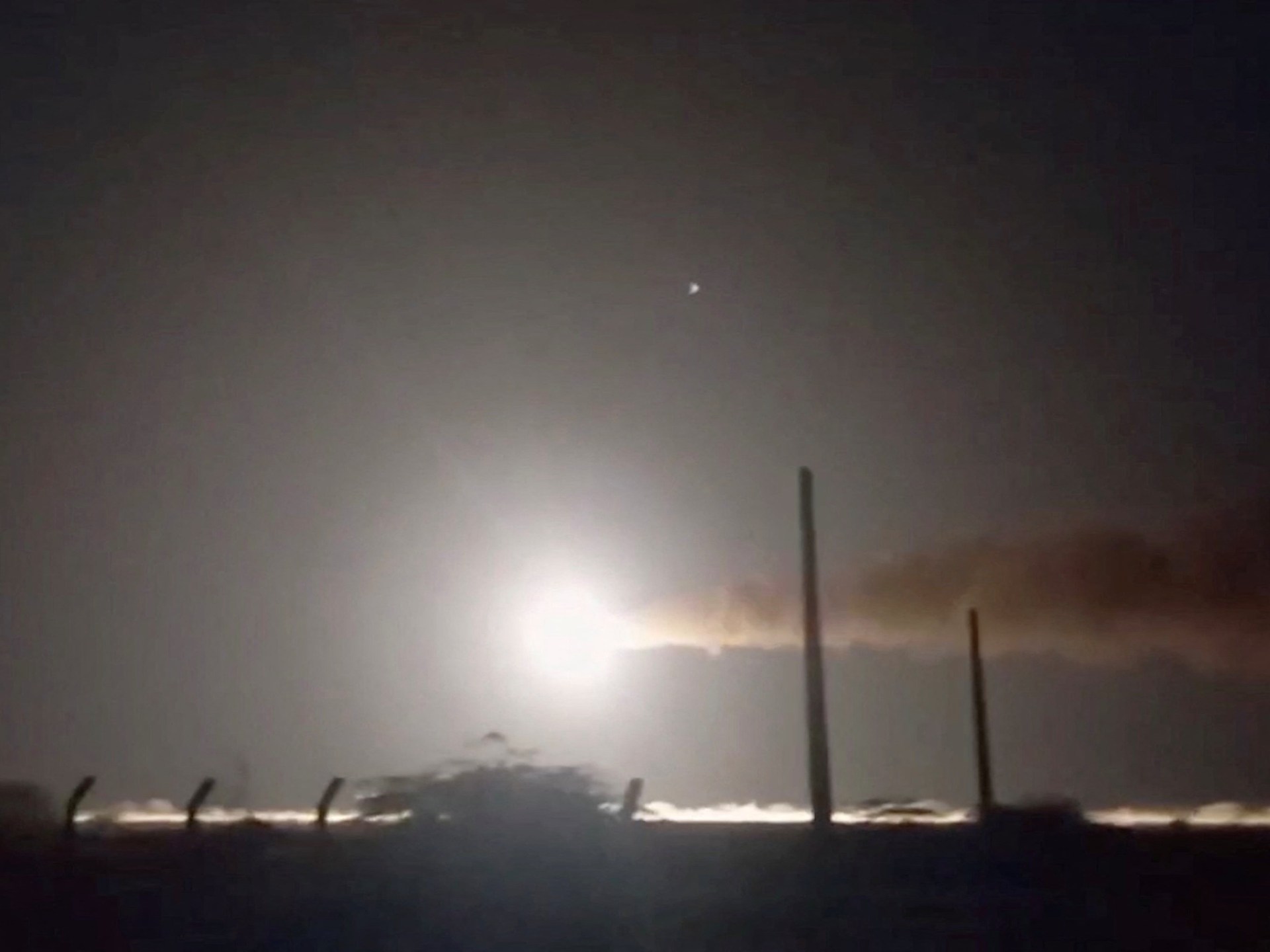
US, Iran clash in Hormuz as war escalates: What happened, why it matters
Jamaica Inquirer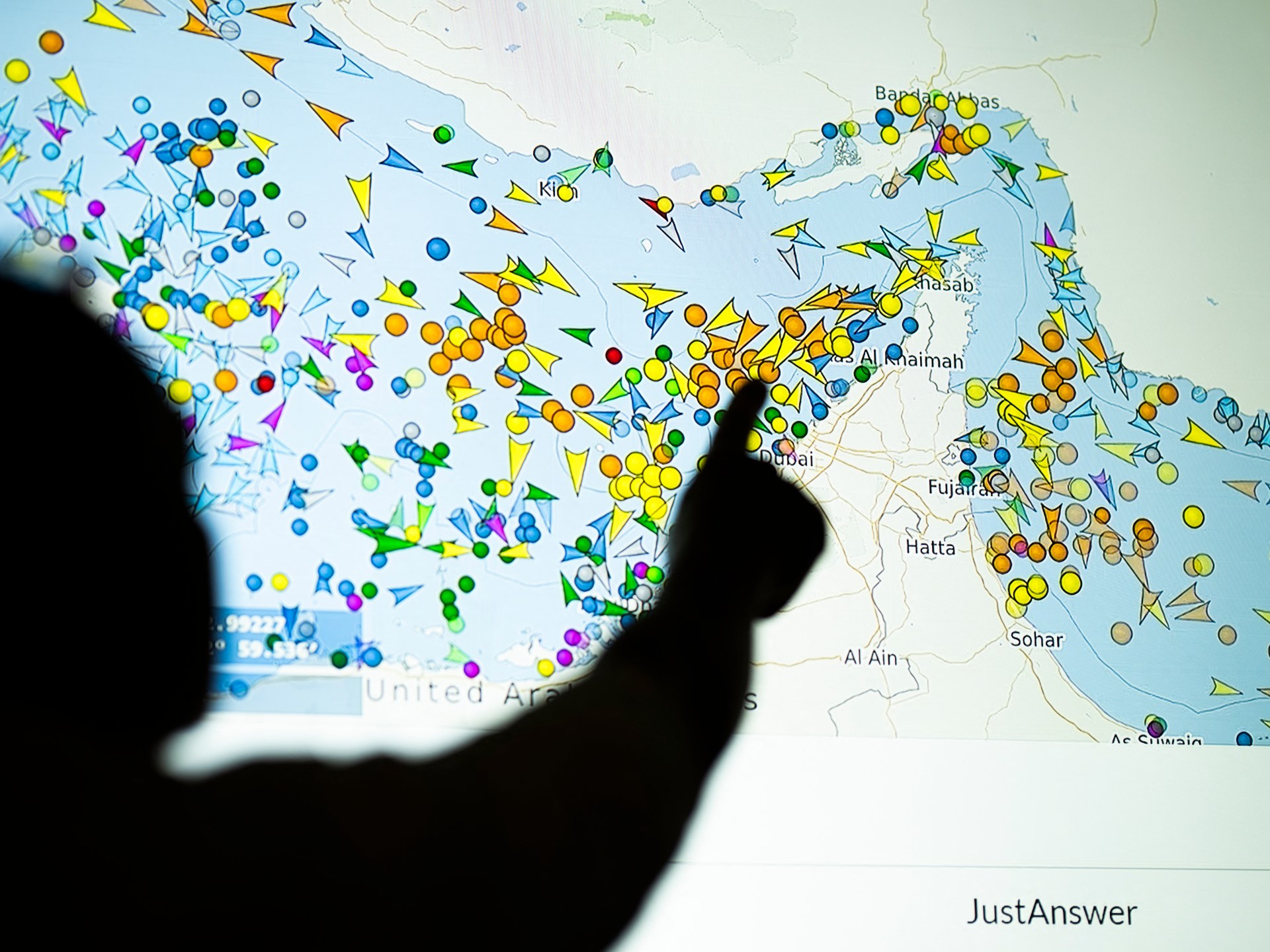
‘On level of atomic bomb’: Iran highlights Hormuz importance amid US talks
Jamaica Inquirer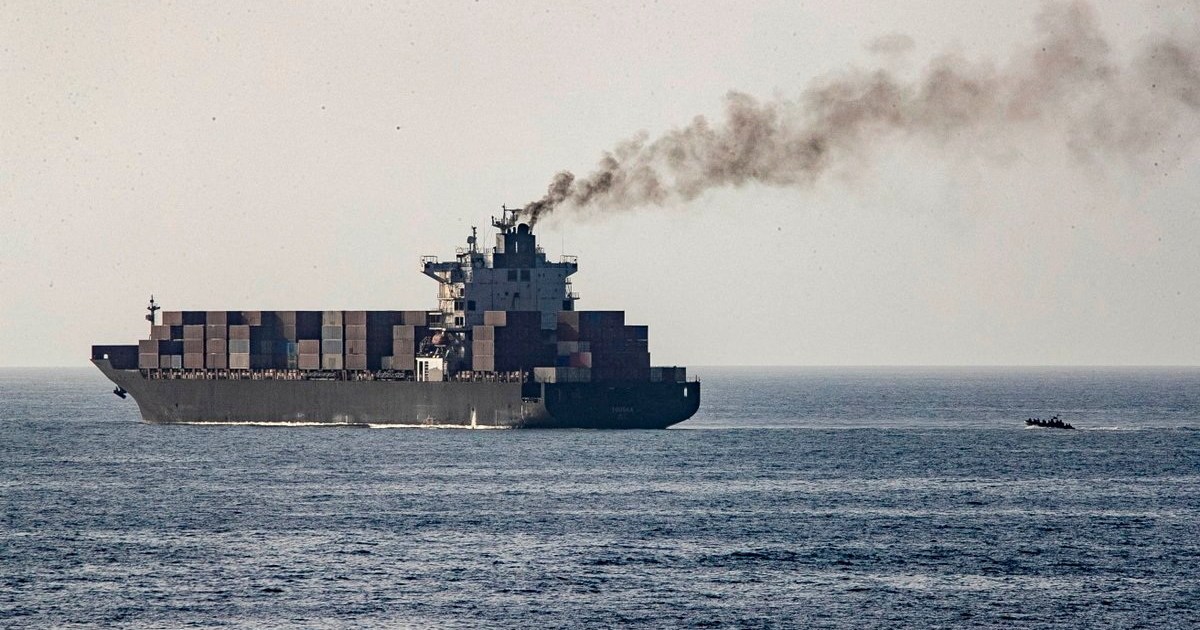
Why is Iran taking time to respond to the US proposal to end the war?
Jamaica Inquirer
Excelerate bullish on Jamaica
Jamaica Observer
Gas price pledge
Jamaica Observer