
Tufton unveils $50m menstrual-health equity pilot for eight schools and 2,000 girls
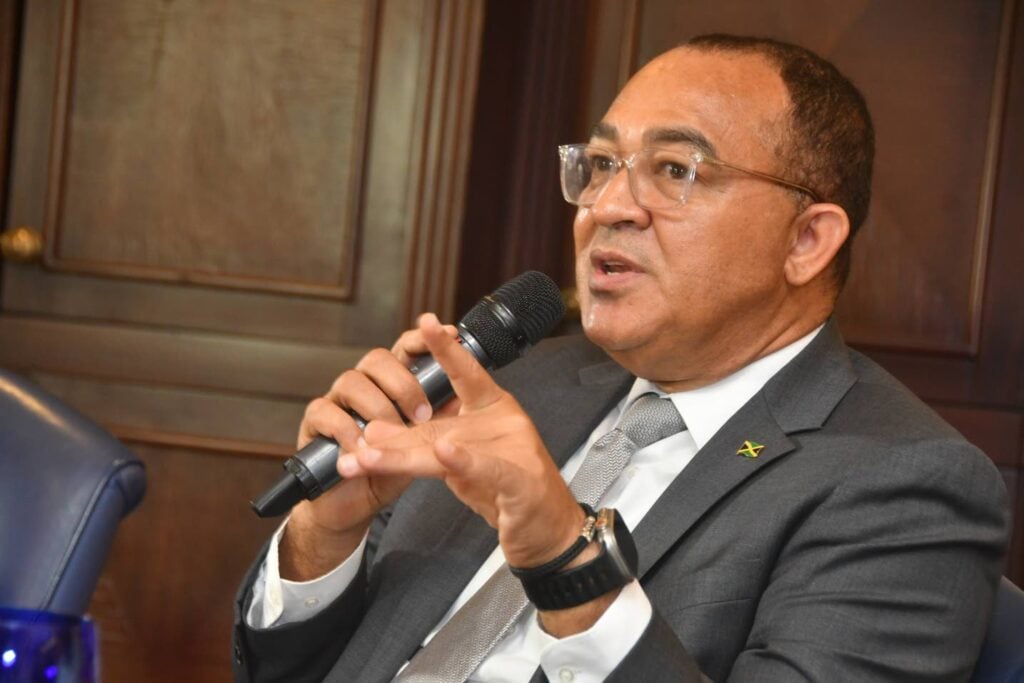
Jamaican authorities intend to open a cross-cutting National Menstrual Health Equity pilot across eight schools and roughly 2,000 girls, aiming to relieve period poverty and strengthen adolescent wellbeing across the country. Site selection will weigh how heavily each institution draws pupils registered on the Programme of Advancement Through Health and Education (PATH).
Addressing lawmakers on May 12 during his 2026/2027 Sectoral Debate remarks in the House of Representatives, Christopher Tufton said the effort nests inside a wider push on public health. The minister stated that $50 million is earmarked and that execution hinges on cooperation with the Ministry of Education, Skills, Youth and Information, together with civic bodies and multilateral actors such as UNICEF and the HerFlow Foundation.
Tufton said the demonstration phase ought to steer work on a national policy framework tackling period poverty in Jamaica. He said it would bolster menstrual wellbeing and teenage health via better water, sanitation and hygiene, HPV vaccination, instruction on personal hygiene, and approaches to ward off HIV and other sexually transmitted infections.
He defined period poverty as lacking money or channels to secure necessary menstrual supplies, knowledge and restroom facilities, and remarked that countless girls and women face it worldwide. The strain, he contended, heightens grave health hazards, embarrassment and ostracism, and leaves many youths reaching for risky substitutes or skipping school while menstruating.
“Globally, over 500 million women lack access to menstrual facilities. And this is not just for Jamaica. In the United States, it is one in four,” Tufton said. He maintained the matter ought not be reduced to hygiene alone but recognised as an entrenched blockage that clips educational progress and feeds poverty and injustice.
Referencing statistics, Tufton said one in four girls in Jamaica’s underserved communities foregoes class during her cycle when sanitary items are out of reach. He also said a mere 30% of public schools today distribute menstrual products free of charge. Absences tied to menstruation, he continued, have been associated with slipping scholastic results and stretched inequities among vulnerable learners.
Tufton further used the sitting to flag wider family and youth concerns such as shrinking fertility, measured parenting and household stability. He reported that dialogue with the Ministry of Labour and Social Security is under way on standing up a national, many-sided task force on fertility and responsible parenting. The envisioned panel would seat voices from health, labour, finance and education, plus higher learning, civil society and industry. It would craft a national fertility and family support strategy for Cabinet review.
Syndicated from Cnweekly · originally published .
Legal context · powered by Jurifi
Get the legal angle on this story. Pick a prompt and Jurifi's AI will explain it using Jamaican law.
AI replies are based on Jamaican law via Jurifi. Not legal advice.
Other coverage
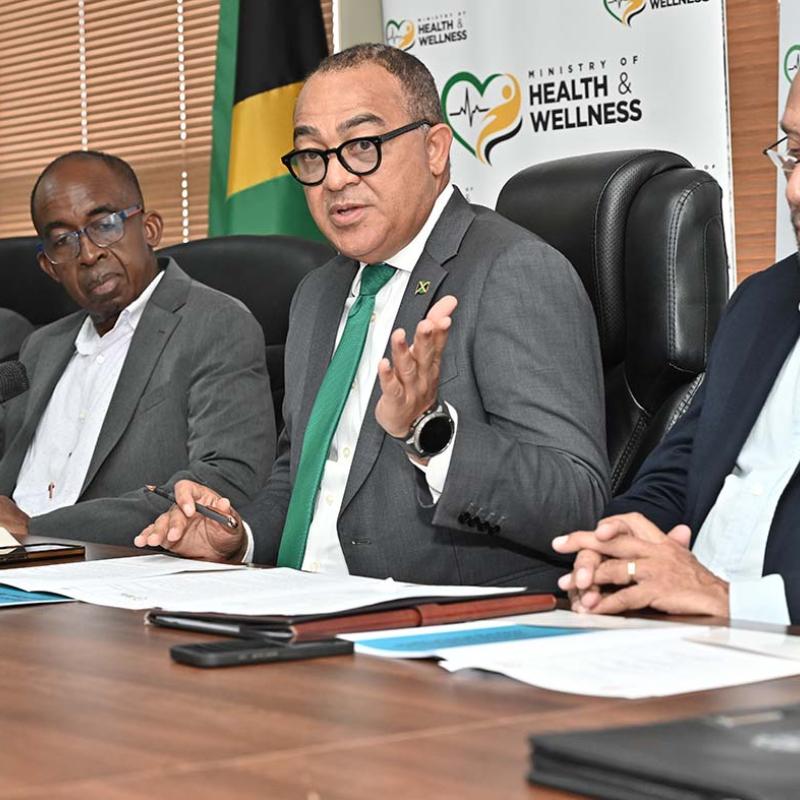
Tufton announces $1b injection to create infrastructure maintenance facility; new fund to tackle social determinants of health
Jamaica Gleaner
CVM Sunrise Morning Show: May 15, 2026 | CVMTV
CVM TV (Video)Watch
JIS News-14.05.2026
Jamaica Information Service (Video)Watch
101 Health Centres for SMART Upgrade
MOH — Ministry of Health and WellnessJamaica to Tackle Declining Birth Rate with National Family Support Strategy
MOH — Ministry of Health and Wellness