
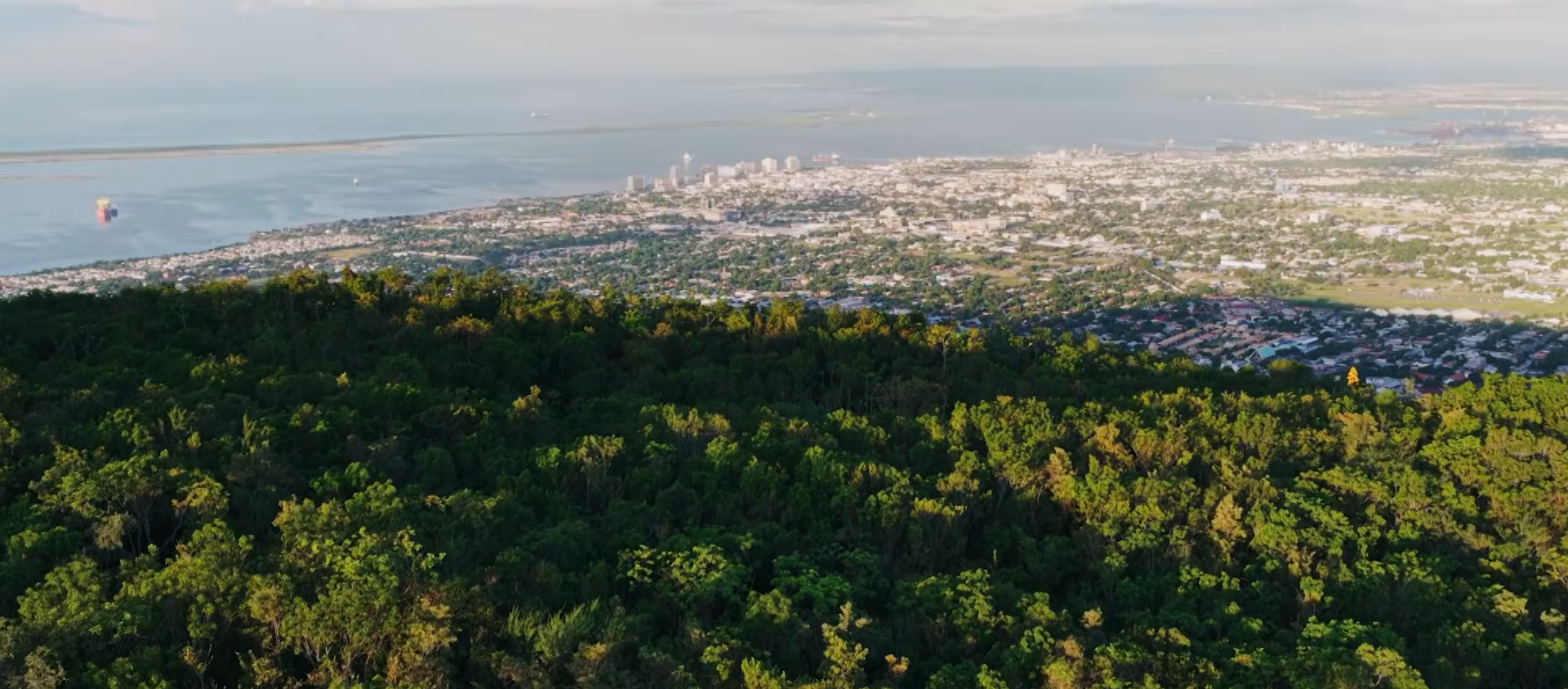
Opposition Housing Spokesman Cousins Links Land Occupation to Affordability and Title Gaps
Pressure is mounting in Jamaica's political arena over how authorities should respond to unauthorised land occupation, with Opposition Housing Spokesman Lothan Cousins insisting the phenomenon stems chiefly from economic hardship rather than deliberate lawbreaking.
Cousins maintains that steep rents, climbing property values, and wages that have barely moved leave many citizens with little option but to settle on land they do not legally hold. In his view, framing the matter as a squatting culture misreads a national affordability emergency.
He traces present-day insecurity to inequalities that began after emancipation, when large numbers of Jamaicans were shut out of owning land and registering titles. Those legacy barriers, he argues, still leave families vulnerable and make it unfair to treat occupation as the central problem.
Citing the Registration of Titles Act, Cousins pointed to Section 13, which sets out a lawful process for removing title holders from land. "The law itself, the same Section 13 of the Registration of Titles Act provides for a clear mechanism where persons can dispossess title owners… and there's a reason for that land is not renewable – and we can't have a system where one set of people own all the land. Then, where are other people going to live? In the water? In the ocean in the sea?" he said.
The housing spokesman said the challenge runs deeper than housing costs alone. He noted that thousands of people remain on state land while others who purchased government lots are still waiting for formal titles to be issued.
Cousins said government figures on residents in squatter communities underline how widespread the situation has become and how urgently a broader policy response is needed. "This is what a government should be looking at," he added.
When asked how many households are unlawfully on land because they cannot afford proper housing, Cousins declined to estimate. "I would not be able to pull a figure out of the air. But the statistics are there. I presented them last year in my presentation in parliament that about 700,000 Jamaicans are on the tax role, meaning these lands that they [are] living on do not have a volume and volume number, however, they do not have access to title," he said.
He went on to describe people paying taxes on plots recorded only by survey diagrams, without the deeds needed to secure ownership. "These are the same people who based on the fact that you have dead land that people have them call taxes paper and they only have a survey diagram but you're on the tax and you're paying taxes and they can't get title," he said.
Cousins concluded that policing alone will not shrink unauthorised settlement. He called for wider affordable housing, faster title delivery, and clearer routes to home ownership as long-term fixes. "The first thing you need to do is write the wrong from decades ago. So, most of the people who occupy land that the government is concerned about is occupying crown land. Who is the crown? The King of England. The same monarchy who excluded us from ownership are the ones that many of the Jamaicans are now trying to dispossess," he said.
Syndicated from CVM TV · originally published .
Legal context · powered by Jurifi
Get the legal angle on this story. Pick a prompt and Jurifi's AI will explain it using Jamaican law.
AI replies are based on Jamaican law via Jurifi. Not legal advice.
Other coverage

Gov’t Exploring Strategies to Tackle Informal Settlements
Jamaica Information Service
Government to release public lands for legal acquisition by Jamaicans
Our Today
Government to Release Public Lands for Legal Acquisition by Jamaicans
Ministry of Education
St Andrew Residents Receive Certificates of Title | TVJ News
Television Jamaica (Video)Watch
Holness says land titling is critical to Jamaica’s development agenda
Jamaica Observer