

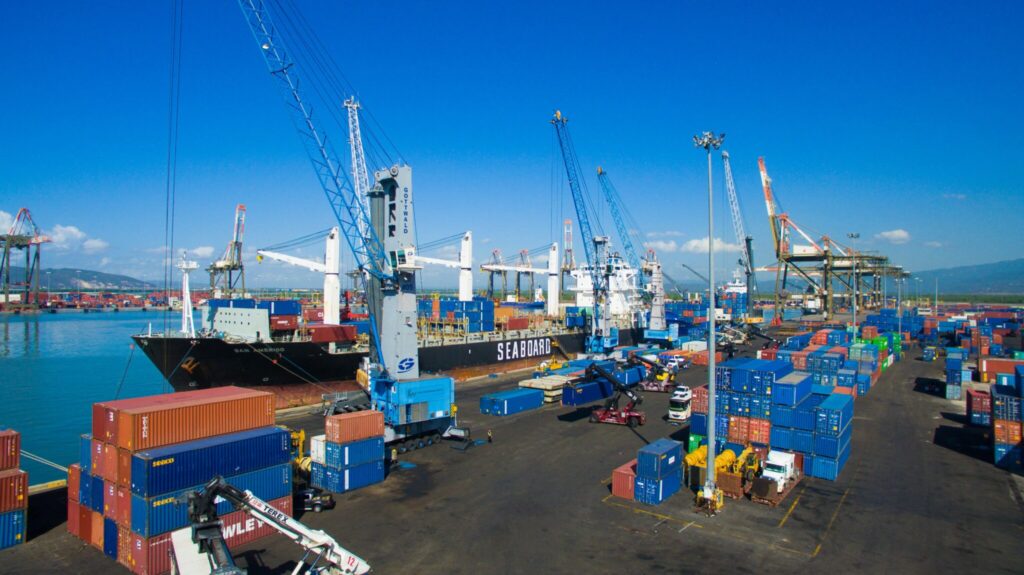
Kingston Wharves Limited — Jamaica Stock Exchange
Investment thesis
Kingston Wharves Limited is one of the cleaner ways to analyse Jamaica’s logistics economy through the equity market. The company is not a high-profile consumer stock and does not trade with the same retail following as several better-known JSE names, but its business sits close to the productive arteries of the economy: ports, cargo handling, warehousing, terminal services and third-party logistics.
The central thesis is that Kingston Wharves should benefit over time from Jamaica’s role as a trade, distribution and nearshore logistics hub. Its earnings power is linked to import flows, vehicle and containerised cargo, export activity, inventory storage and the ability of businesses to move goods more efficiently through the island. This makes the stock a practical proxy for commercial activity, not simply a play on headline GDP.

Earnings drivers
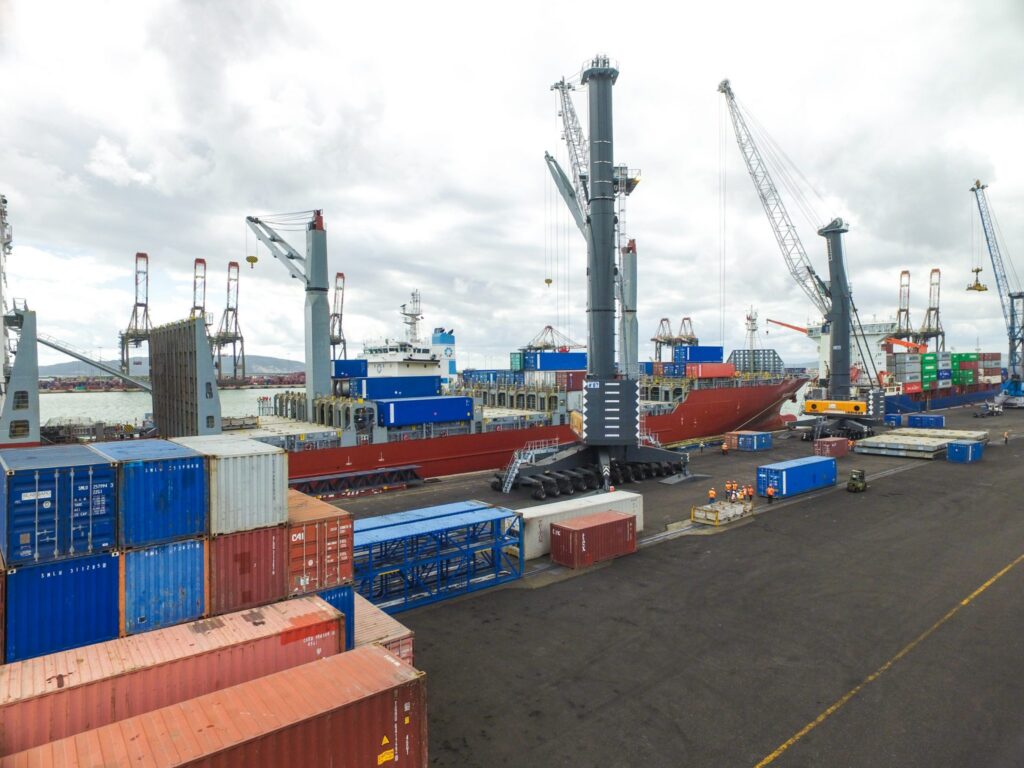
The first earnings driver is cargo throughput. When importers, retailers, manufacturers and distributors increase volumes, Kingston Wharves benefits from handling, storage and related logistics fees. This gives the company a recurring services element, although it is still tied to the economic cycle and the strength of trade activity.
The second driver is value-added logistics. Basic port handling can be competitive and volume-sensitive; warehousing, inventory management, terminal services and integrated logistics can carry better economics if utilisation is high. The equity case strengthens where the company earns more from each unit of cargo by moving deeper into the logistics chain rather than relying only on traditional wharfage activity.
The third driver is operating efficiency. Port and logistics assets are fixed-cost businesses. Once the platform is in place, higher volumes can improve margins if labour, maintenance, security, utilities and equipment costs are controlled. Conversely, weak utilisation can quickly dilute profitability because the cost base does not fall in line with volume.
Margin and cash-flow discussion
Kingston Wharves should be assessed through operating leverage and cash generation rather than just revenue. The company owns and operates infrastructure that can produce attractive cash flows when assets are well utilised. The important question for investors is whether incremental cargo and logistics revenue is converting into stronger operating profit and free cash flow after maintenance capital expenditure.
Working capital is less of a pure inventory problem than it would be for a distributor, but receivables, customer concentration and timing of cash collections still matter. The company’s strongest investment case is one where port and logistics revenue translate into dependable cash earnings, supporting reinvestment and dividends without excessive balance-sheet strain.
Balance-sheet and capital position
A logistics infrastructure company must retain enough financial flexibility to maintain equipment, expand capacity and invest in technology. Kingston Wharves’ asset base gives it strategic value, but it also requires disciplined capital allocation. Investors should be comfortable when expansion projects are tied to visible utilisation, customer demand and margin improvement rather than broad growth ambition.
The balance-sheet risk is that the company invests ahead of demand or faces cost inflation in equipment, labour and infrastructure maintenance. The better scenario is one where investment deepens the moat and produces a higher-quality earnings stream over time.

Valuation lens
The stock should be viewed as an infrastructure-linked cash-flow business. A premium valuation is justified only if the market believes Kingston Wharves can sustain throughput, deepen logistics income and defend margins. If trading volumes remain thin and earnings growth is modest, the stock may struggle to attract aggressive multiple expansion even with a strong strategic position.
For valuation purposes, investors should focus on earnings consistency, dividend capacity, return on assets and the extent to which the company can convert its logistics footprint into higher-margin services. The stock is less about quick rerating and more about whether a hard-asset platform can compound value patiently.
Current catalyst
The current catalyst is the wider reassessment of logistics and supply-chain assets across the Caribbean. Businesses continue to prioritise inventory reliability, port efficiency and distribution resilience. Jamaica’s ambition to strengthen its logistics role gives Kingston Wharves a relevant strategic backdrop, even where daily market trading is not especially deep.
The stock is also worth watching because regional investors have been increasingly selective, favouring companies with tangible assets, recurring operating cash flows and relevance to trade. Kingston Wharves fits that screen more clearly than many less essential listed businesses.

Bull case
The bull case is that Jamaica’s trade flows expand, the company improves utilisation across its terminal and logistics assets, and higher-value services contribute a larger share of earnings. In that scenario, Kingston Wharves becomes more than a port operator; it becomes a logistics infrastructure compounder with durable cash-flow characteristics.
The stock could also benefit if investors place a higher value on asset-backed, infrastructure-linked equities in a market where many companies are still battling margin pressure and uneven consumer demand.
Bear case and risk factors
The bear case is that cargo volumes slow, import demand weakens, competition increases, or cost inflation erodes margins. Jamaica’s dependence on imported goods can support volumes in normal conditions, but it also exposes the business to currency pressure, purchasing-power weakness and shifts in trade policy.
Liquidity is another issue. Even where the business quality is clear, JSE trading depth can be inconsistent. Investors may find that the stock is easier to analyse than to enter or exit in size.
Analyst’s read
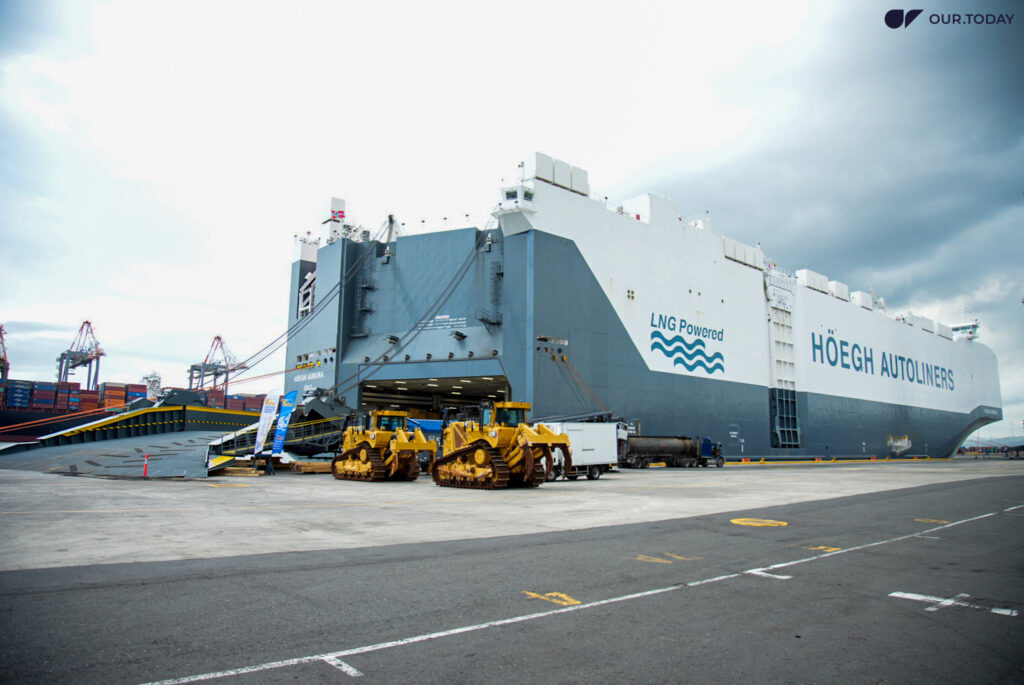
Kingston Wharves is a Value Watch. It offers a hard-asset, trade-linked equity story with genuine strategic relevance to Jamaica’s economy. The stock is not likely to appeal to investors looking for a fast-moving growth narrative, but it deserves attention from those who understand the value of infrastructure, operating leverage and logistics cash flow. The key test is whether management can keep turning essential port activity into higher-quality earnings and dependable shareholder value.
Disclosure: This analysis is prepared for informational purposes only and does not constitute investment advice or a recommendation to buy, sell, or hold any security. Readers should conduct their own due diligence and consult a licensed investment advisor before making any investment decision.
Syndicated from Our Today · originally published .
Legal context · powered by Jurifi
Get the legal angle on this story. Pick a prompt and Jurifi's AI will explain it using Jamaican law.
AI replies are based on Jamaican law via Jurifi. Not legal advice.
Other coverage

The Kingston Logistics Park
Port Authority of Jamaica (Video)Watch
The Kingston Logistics Park (KLP) is driving economic expansion in Jamaica!
Port Authority of Jamaica (Video)Watch
Unlock the power of location at the Kingston Logistics Park
Port Authority of Jamaica (Video)Watch
Future Energy Source Company Limited (FESCO) – Audited Financial Statements For The Year Ended March 31, 2026
Jamaica Stock ExchangeMAILPAC GROUP LIMITED – AUDITED FINANCIAL STATEMENTS FOR YEAR ENDED DECEMBER 31, 2025
Jamaica Stock Exchange