
United Way of Jamaica disburses J$117 million of J$223 million raised for Hurricane Melissa recovery effort
The Hurricane Melissa Restoration & Rehabilitation Fund, established by United Way of Jamaica (UWJ) following the devastating impact of Hurricane Melissa in November 2025, has raised more than J$223 million to support long-term recovery and resilience-building efforts across some of the island’s hardest-hit communities.
Launched with a fundraising target of J$200 million, the Fund has surpassed expectations, reaching 112 per cent of its goal through a combination of cash donations, pledged contributions and in-kind support from corporate and individual partners.
The initiative was designed to move beyond emergency relief and focus on restoring livelihoods, repairing critical infrastructure and strengthening community resilience in the aftermath of the hurricane.
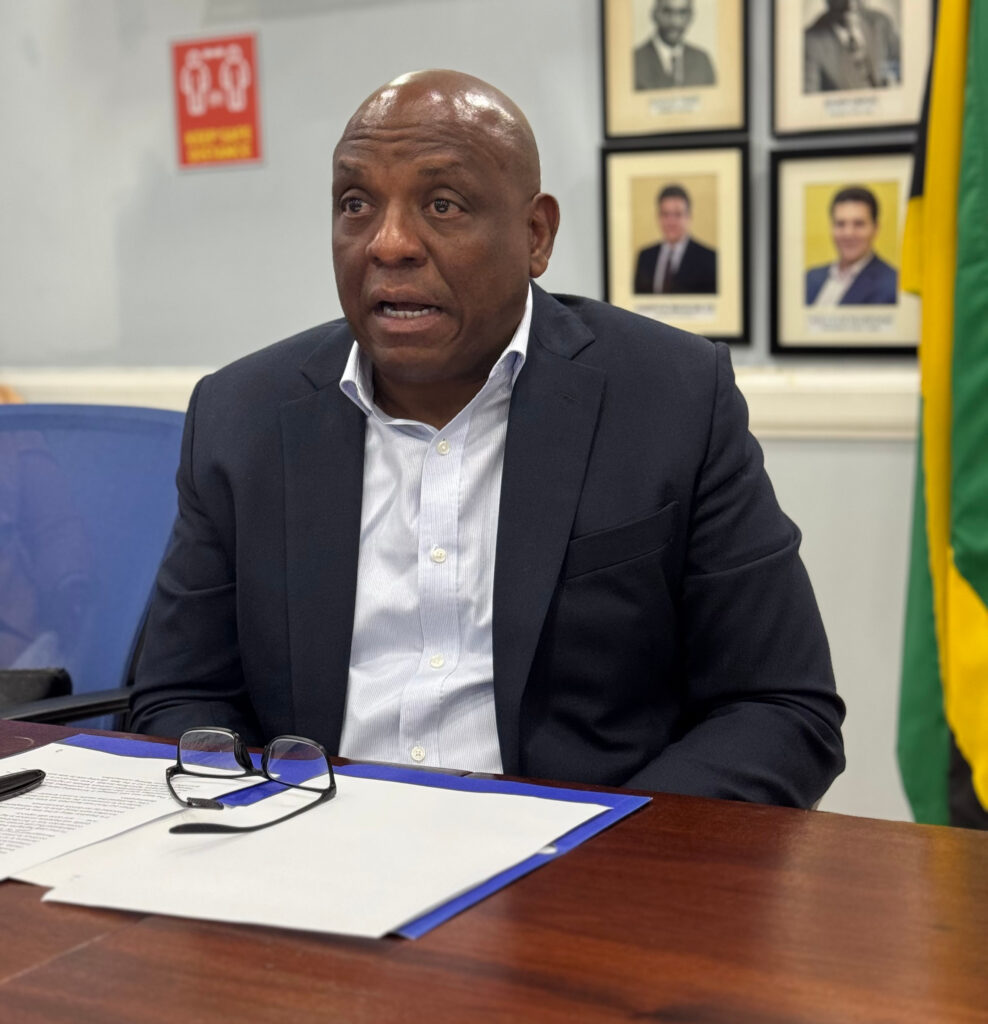
Chair of the Board of Directors of United Way of Jamaica, Dr Devon Smith, underscored the organisation’s commitment to transparency, accountability and responsible stewardship of donor contributions.
“At United Way of Jamaica, our role is to mobilise resources that can meaningfully improve the lives of individuals and communities. As custodians of these funds, we have a responsibility to ensure they are managed with the highest levels of integrity, transparency and accountability, while delivering measurable impact for those we serve,” Smith affirmed.
“Every committee of the Board has a fiduciary responsibility to meet regularly and review the management and disbursement of funds. This rigorous oversight allows us to validate the resources received, monitor how they are allocated and ensure that every dollar entrusted to us can be fully accounted for, ” Smith added.
Chief Executive Officer of United Way of Jamaica, Kerry Lee Lynch, said the organisation’s experience in disaster recovery played a significant role in both the successful fundraising effort and the effective deployment of support to affected communities.
“This is not our first experience leading a national recovery effort. Following Hurricane Ivan, United Way of Jamaica mobilised more than J$200 million to support rebuilding efforts, working alongside many of the same trusted partners, including the Jamaica Agricultural Society. Over the years, we have developed a proven framework for disaster response and recovery—one that prioritises accountability, transparency and meaningful impact.”
“While we never wish for another disaster, we are confident in our ability to respond when Jamaicans need us most. Our donors know that their contributions are managed responsibly and directed where they can make the greatest difference. This experience and credibility were instrumental in helping us mobilise more than J$223 million for Hurricane Melissa recovery efforts, supporting the restoration of livelihoods, infrastructure and communities across the island,” Lynch added.
To date, approximately J$117 million has been disbursed through a range of recovery interventions, including infrastructure rehabilitation, agricultural support and direct community assistance.
The largest allocation, J$72 million, has been invested in Phase One infrastructure repairs, benefiting schools, housing and healthcare facilities in affected communities. Additional support has included J$18 million to assist fisherfolk in coastal communities and J$15 million to help poultry farmers restore their operations and livelihoods. A further J$10 million has been distributed in relief assistance to vulnerable families.
The Fund’s impact has extended across six parishes – St. Elizabeth, Westmoreland, Hanover, Trelawny, St. James and St. Ann – delivering tangible results for hundreds of beneficiaries.
Among the programme’s key achievements, 646 of a targeted 700 farmers have received support, representing 92 per cent of the Fund’s agricultural recovery goal. Additionally, 190 of a targeted 200 fisherfolk have benefited from assistance, achieving 95 per cent of the programme target.
The Fund has also significantly exceeded its education infrastructure commitment, completing repairs at six J.E.T.S. Limited-designated schools and NGOs (Belmont Academy, Black River High School, William Knibb Memorial High School, St. Elizabeth Technical High School, Manning’s School, Hampton School and the Mustard Seed Community), six times the original target of one institution.
Chief Executive Officer of the Jamaica Agricultural Society (JAS), Derron Grant, said collaboration among recovery partners was critical to ensuring assistance was distributed efficiently and reached intended beneficiaries.
“From the outset, we worked closely with government agencies and our partner organisations to verify beneficiary lists and coordinate the distribution of support. For example, in the fisheries programme, the National Fisheries Authority provided verified lists and registration information, while partners such as Food For The Poor and others assisted in the validation process.”
“No recovery programme is perfect, but by sharing information and cross-checking beneficiaries, we were able to significantly reduce duplication and ensure that resources reached as many affected farmers and fisherfolk as possible. That level of collaboration was critical to the success of the recovery effort,” Grant shared.
As recovery efforts continue, United Way of Jamaica is preparing to launch Phase Two of the programme, which will focus on completing disbursements, expanding support to early education institutions and additional ruminant farmer beneficiaries, aiming to restore critical community infrastructure through strategic partnerships.
Syndicated from Our Today · originally published .
Legal context · powered by Jurifi
Get the legal angle on this story. Pick a prompt and Jurifi's AI will explain it using Jamaican law.
AI replies are based on Jamaican law via Jurifi. Not legal advice.
Other coverage
Almost 1,000 Westmoreland residents benefit from medical outreach mission
Jamaica Observer
Residents in Westmoreland Benefit from Medical Outreach Mission
Jamaica Information Service
JIS News - 22.06.2026
Jamaica Information Service (Video)Watch
JIS News - 25.06.2026
Jamaica Information Service (Video)Watch
2026 Diaspora Governor-General Achievement Awards
Jamaica Information Service (Video)Watch